


For many families, drinks are an easy expense to overlook.
A bottle of sparkling water added to the weekly shop may not seem significant. Neither does a multipack of soft drinks, a few bottles of juice, or a drink picked up while out for the day. But when these purchases happen week after week, they can become a noticeable part of the household budget.
Looking at your family beverage costs over a full year can make that difference much easier to see.
How Much Does Your Family Really Spend on Drinks?
A family drink budget can look very different from one household to another. A four-person family that mainly drinks tap water may spend relatively little, while a household that regularly buys bottled water, sparkling water, soft drinks and juice can spend considerably more.
For illustration, imagine a four-person household spending between €15 and €25 each week on drinks bought for the home.
| Weekly spending | Approx. annual spending |
|---|---|
| €15 | €780 |
| €20 | €1,040 |
| €25 | €1,300 |
These figures are not intended as an average for European families. They simply show how quickly regular beverage purchases can add up.
The same principle applies to a monthly budget. Spending €90 a month on drinks means approximately €1,080 over a year. Once you look at the annual figure, the cost of individual bottles becomes less important than the overall pattern.
There is also a second category to consider: drinks bought outside the home. A bottle of water with lunch, a soft drink at a café or a takeaway drink during a shopping trip may only cost a few euros, but these purchases can add another layer to the household's annual beverage spending.
Where Does the Family Beverage Budget Go?
Not every beverage expense has the same potential to be reduced. The easiest place to start is with drinks your family buys frequently and consumes at home.
Bottled Water & Sparkling Water
Water can represent a significant part of the weekly shop when a household relies heavily on bottled products.
For a German four-person household consuming approximately 7.2 litres of drinking water per day, annual consumption is about 2,628 litres.
At a bottled-water price of €0.30 per litre, purchasing that volume as bottled water would cost approximately €788 per year.
This is particularly relevant for families that regularly buy both still and sparkling water. The cost is repeated every time supplies run low, and the household also has to deal with transporting, storing and eventually managing the empty bottles.
For families with suitable tap water, preparing drinking water at home can therefore be an interesting bottled water alternative.
Sparkling water is another category worth considering. If it is a regular part of your family's routine, making it at home may reduce the need to buy bottles every week.
Whether this results in a lower sparkling water cost depends on the price of bottled sparkling water and the running costs of the home system, including CO₂ and electricity.
Soft Drinks, Juice & Other Beverages
Soft drinks and juice are less straightforward.
Some families may choose to make simpler drinks at home using filtered or sparkling water, fresh fruit or a small amount of juice. This can also make it easier to adjust sweetness according to personal preference.
However, homemade drinks are not necessarily direct substitutes for branded beverages. A family may still want its favourite soft drink or a particular juice from time to time.
The more realistic approach is to replace the drinks that are easy to make at home while keeping occasional purchases that serve a different purpose.
Drinks Purchased Outside the Home
Drinks bought outside the home are usually the least practical expenses to replace.
A coffee on the way to work, a bottle of water while travelling or a soft drink at a restaurant is part of a different consumption occasion. A home appliance cannot eliminate those purchases, and there is no need for it to.
When calculating your annual family beverage costs, it helps to separate drinks consumed at home from those bought while you are out. This gives you a clearer picture of where home preparation could actually make a difference.
Which Beverage Costs Can You Actually Replace at Home?
The biggest opportunity usually comes from everyday drinks that are consumed frequently.
Drinking water is an obvious example. Instead of buying bottles every week, a household with suitable tap water can use a countertop RO water filter to prepare drinking water directly in the kitchen.
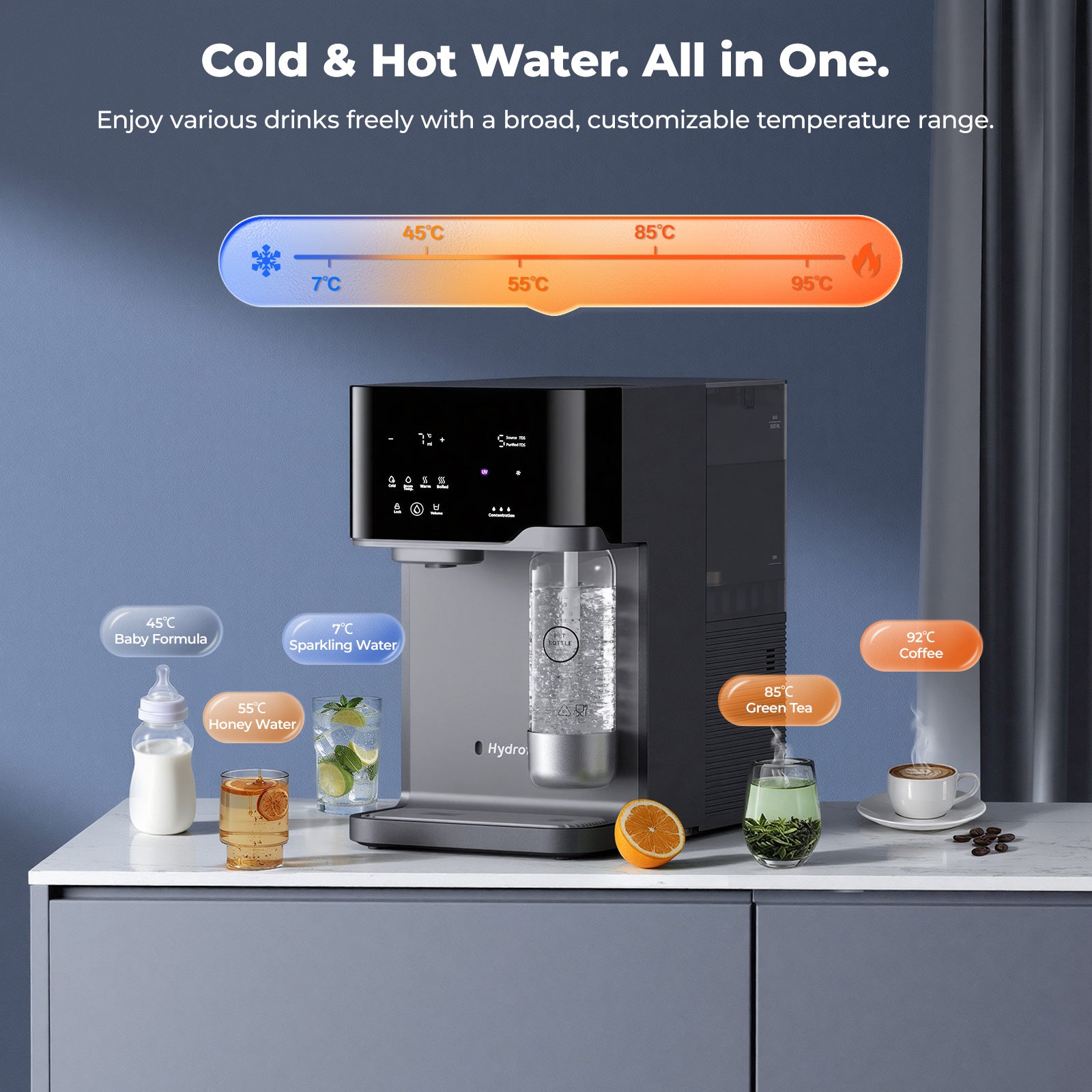
The same applies to chilled and hot water. Rather than using bottled water for drinking and a kettle or separate appliance for hot water, one countertop system can handle several everyday needs.
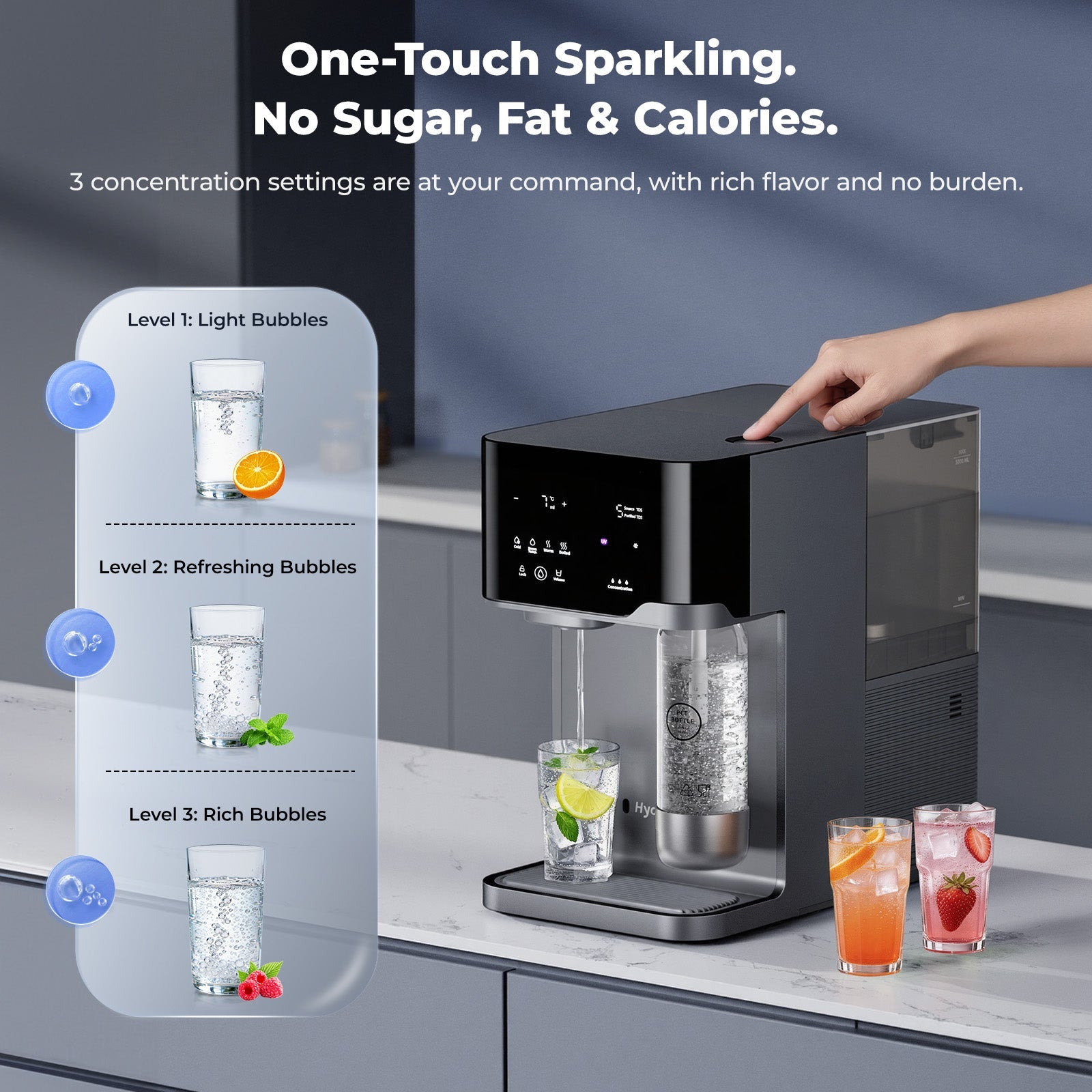
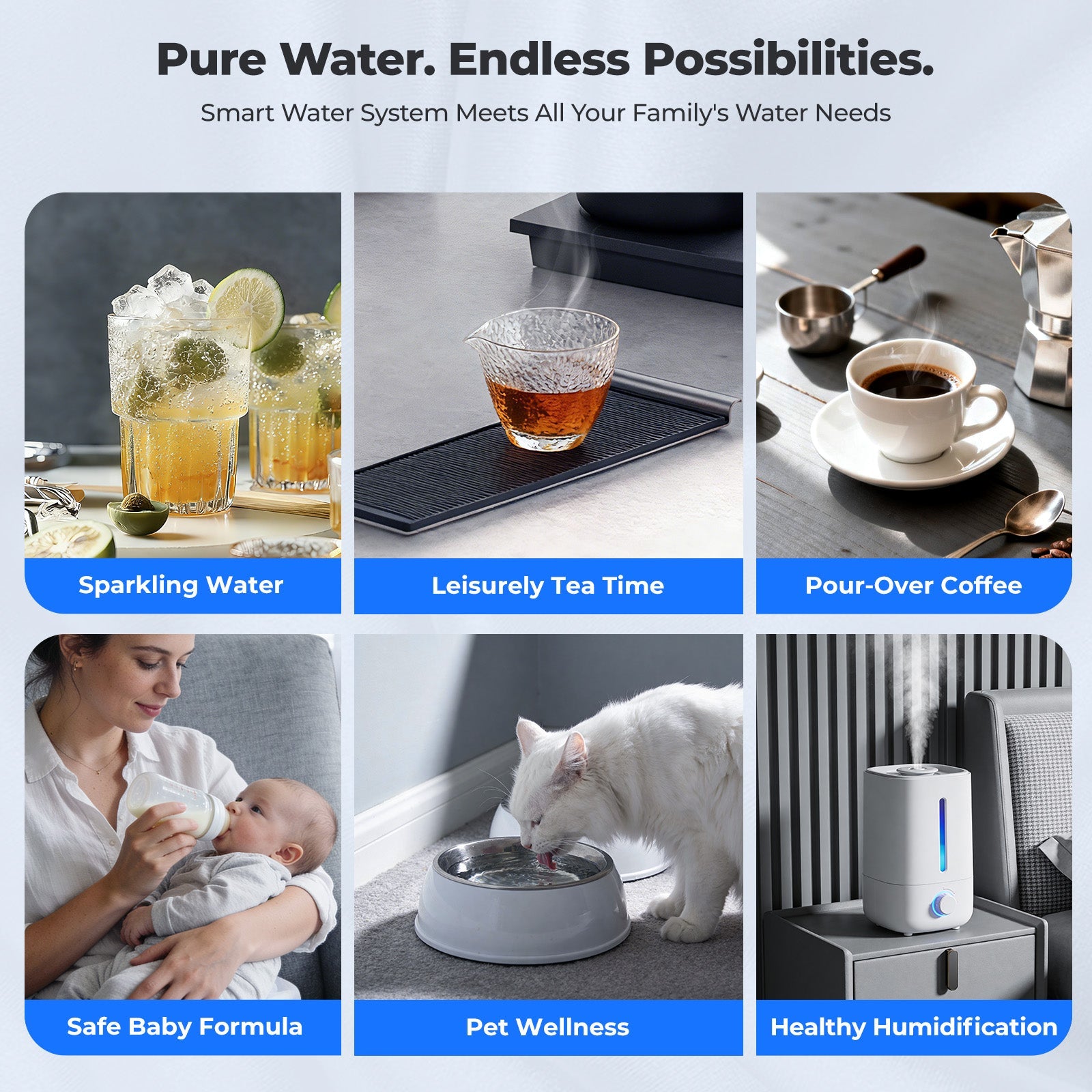
Sparkling water can also be moved into the home. A family that regularly buys sparkling water can prepare it when needed and use it as a base for simple homemade drinks. Adding lemon, lime, fresh fruit or a little juice can create different flavours without requiring a separate packaged drink for every occasion.
This does not mean every beverage purchase needs to disappear. Specialty drinks, branded products and drinks bought outside the home can remain part of the household routine.
The idea is simply to move more of the repetitive, everyday consumption into the home.
How Hydrofast C300 Fits Into Your Beverage Budget
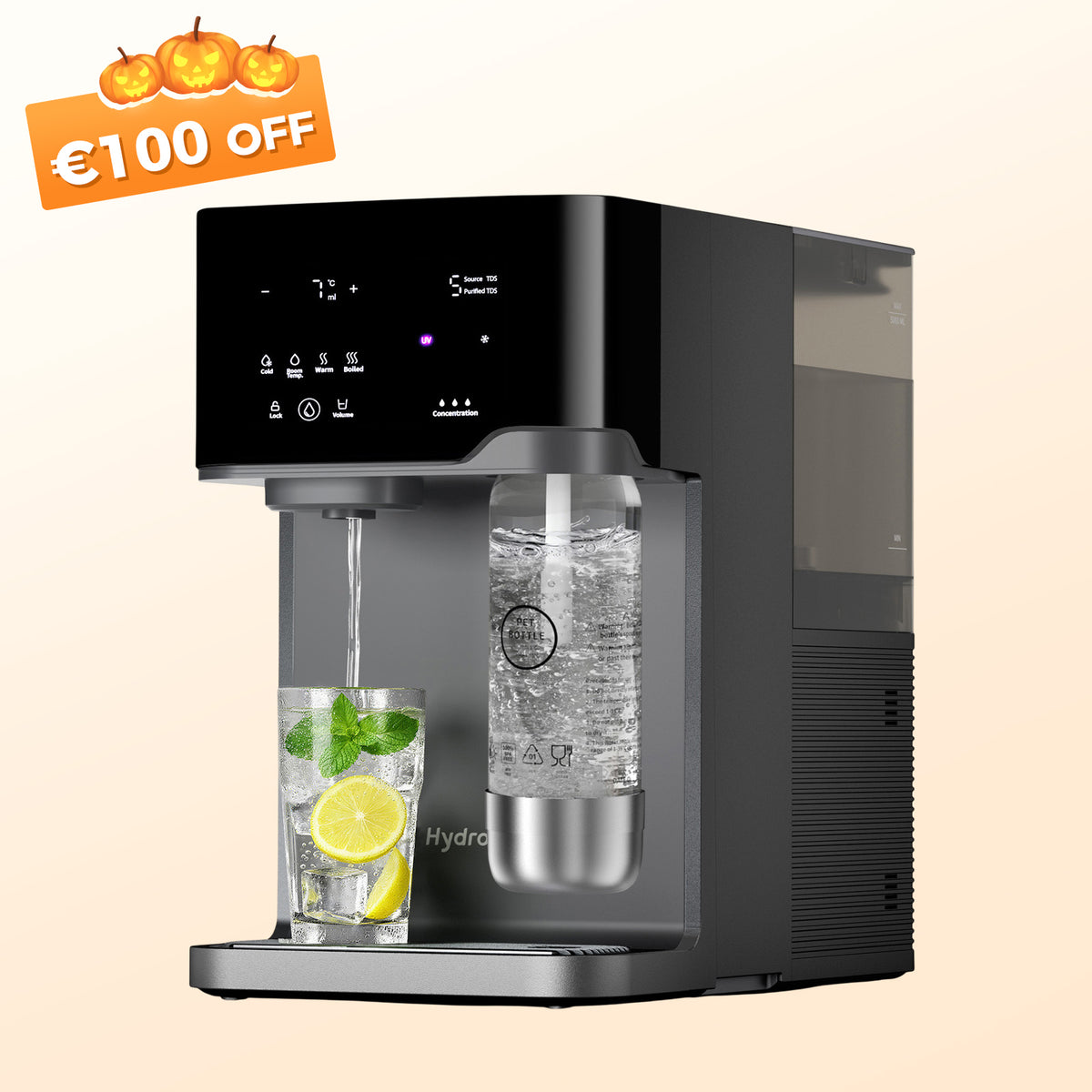
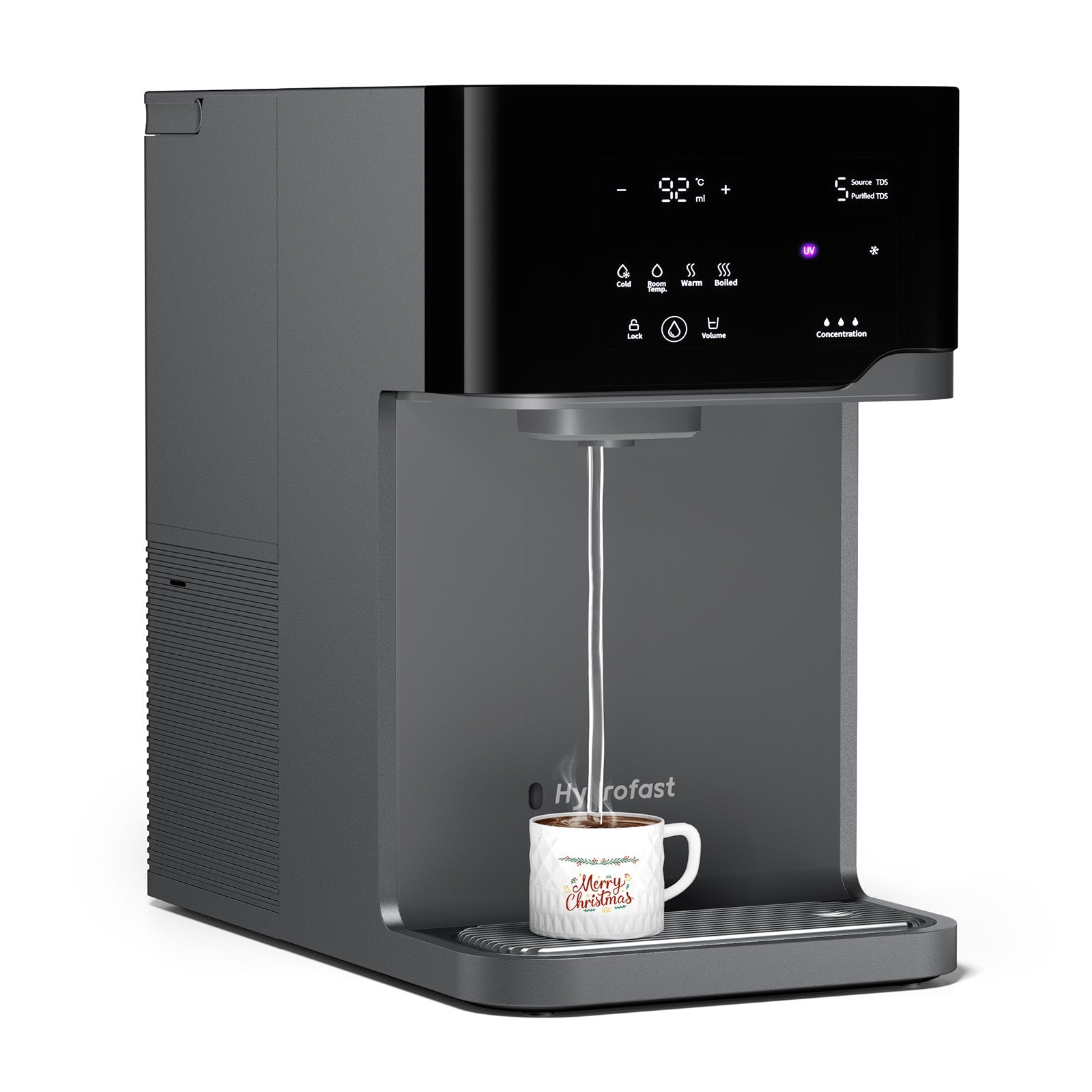
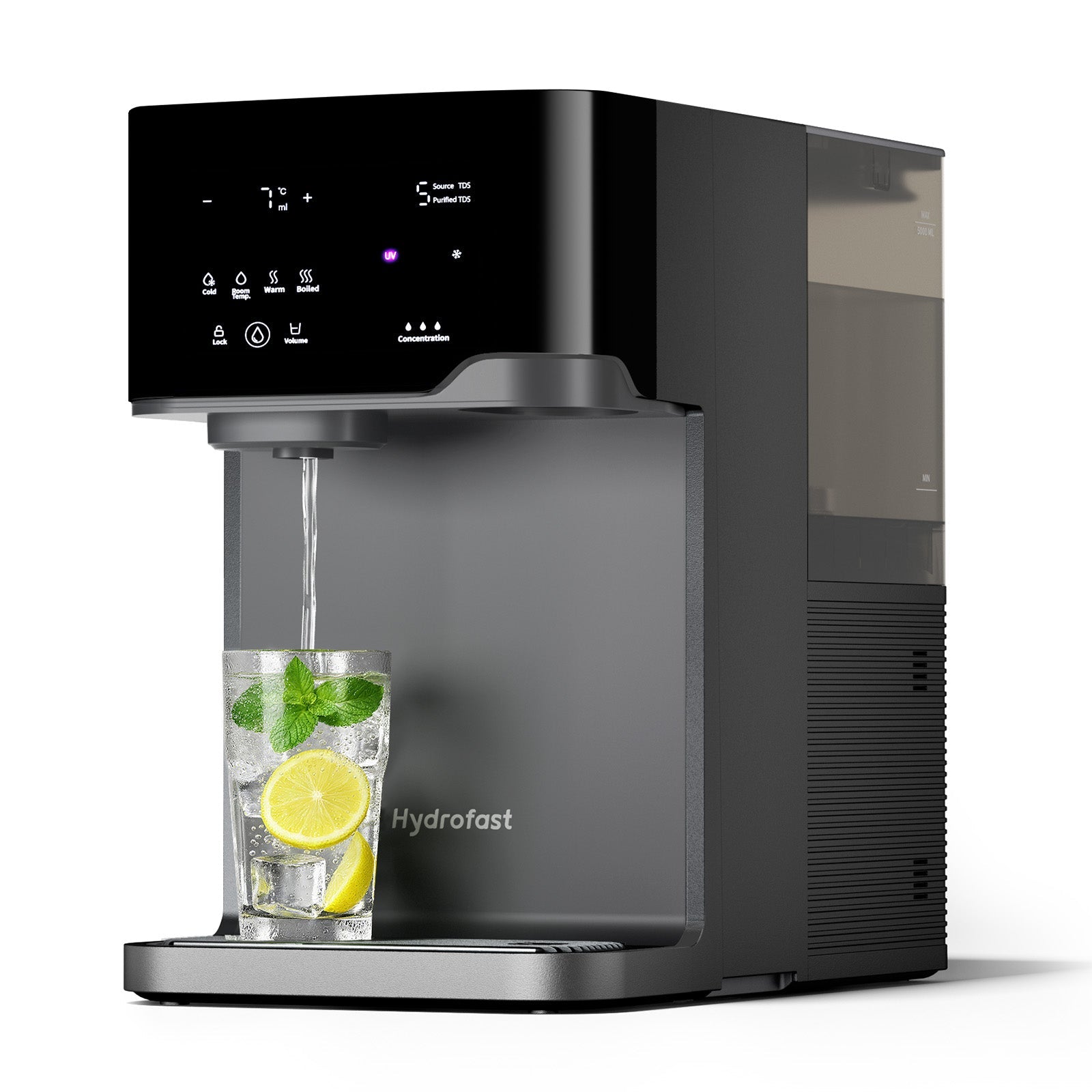
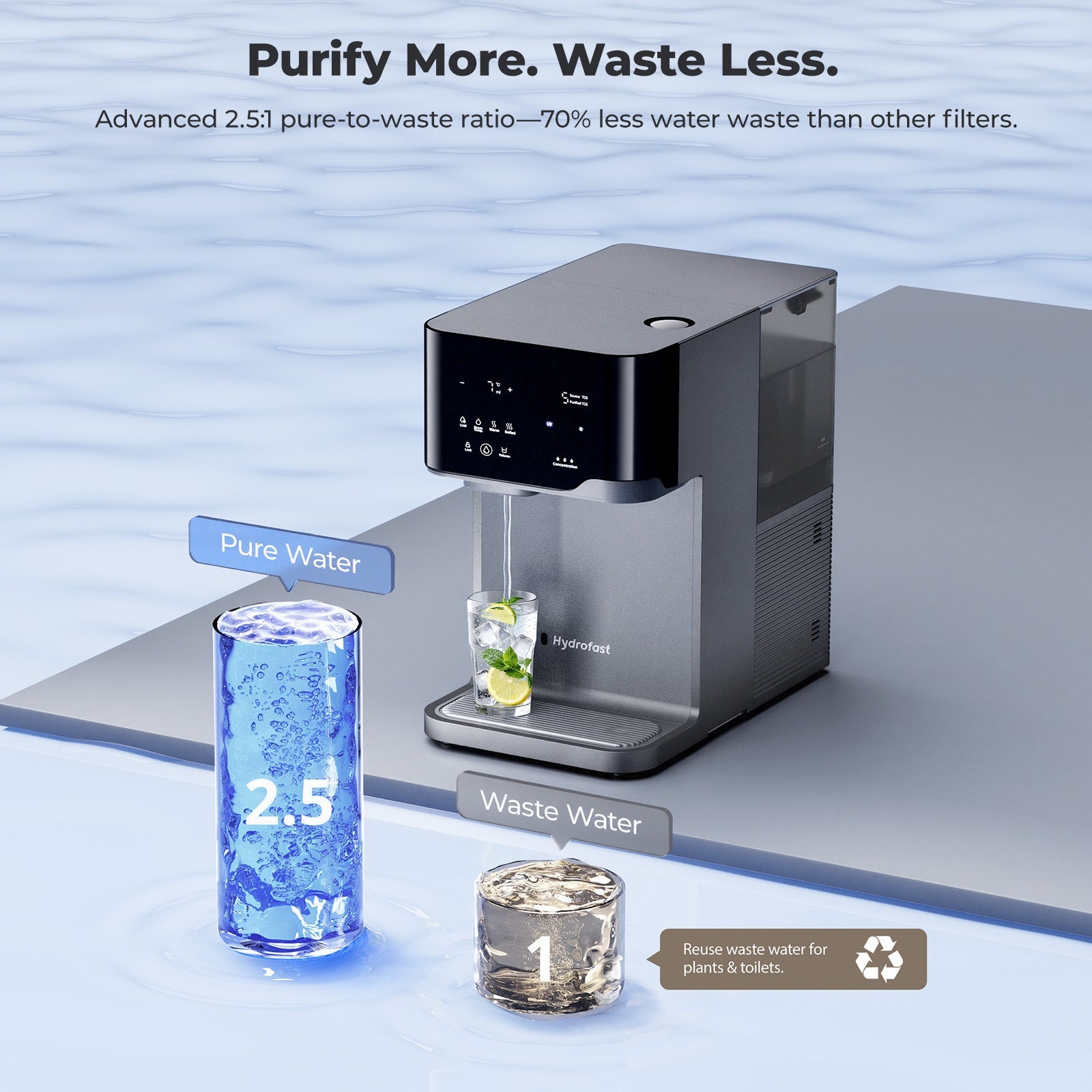
The Hydrofast C300 is designed for households that want more than one type of water from a single countertop appliance.
One System for Everyday Drinking Needs
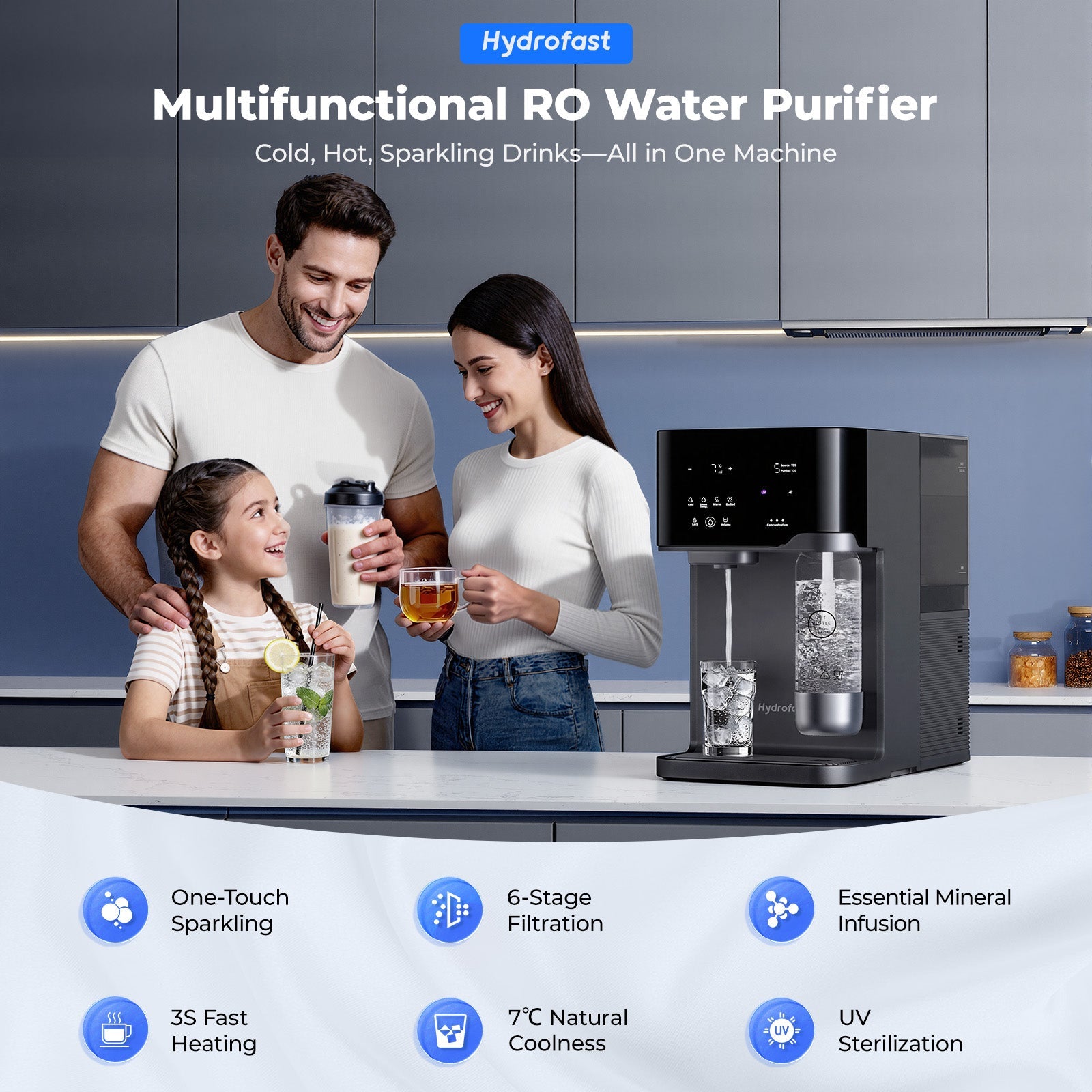
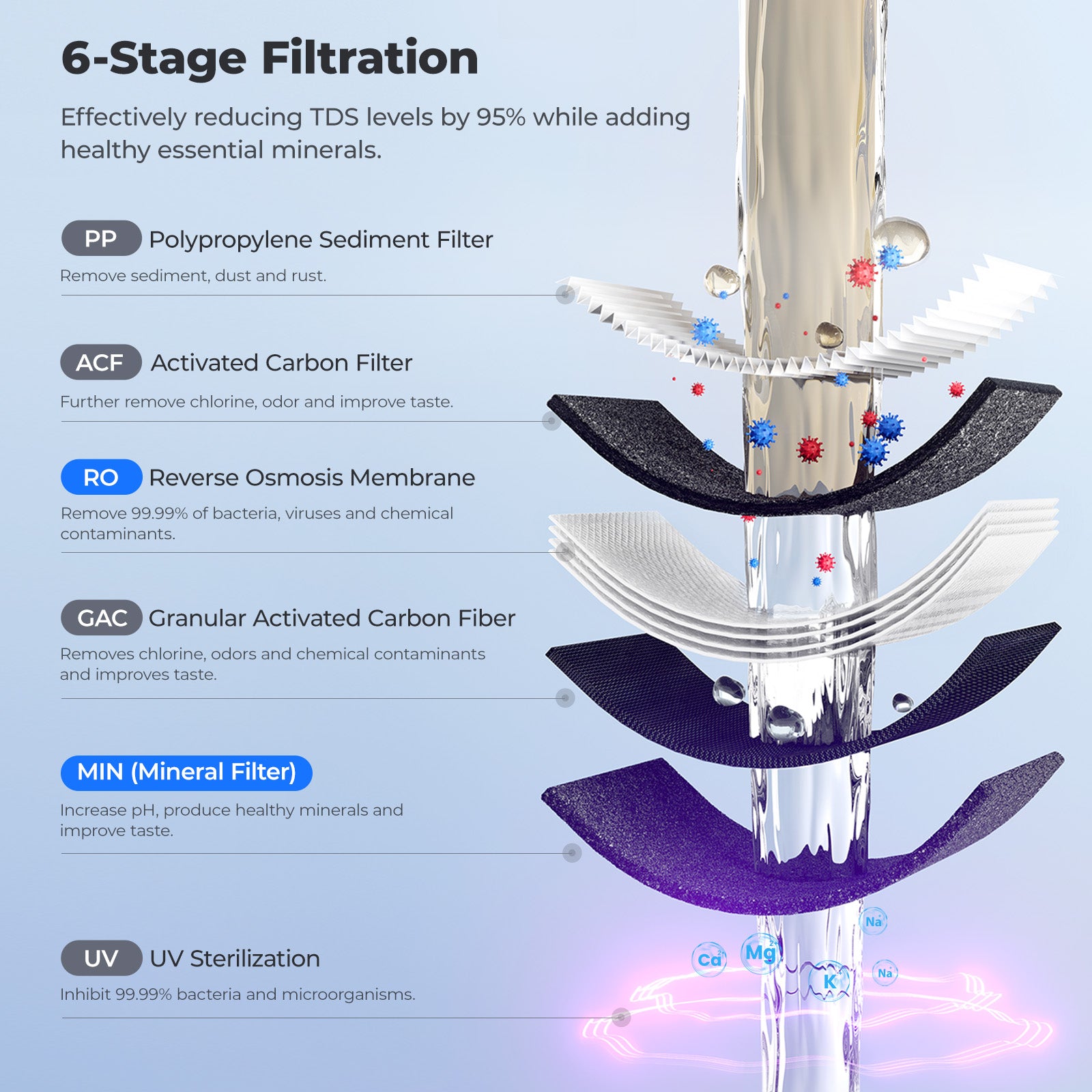
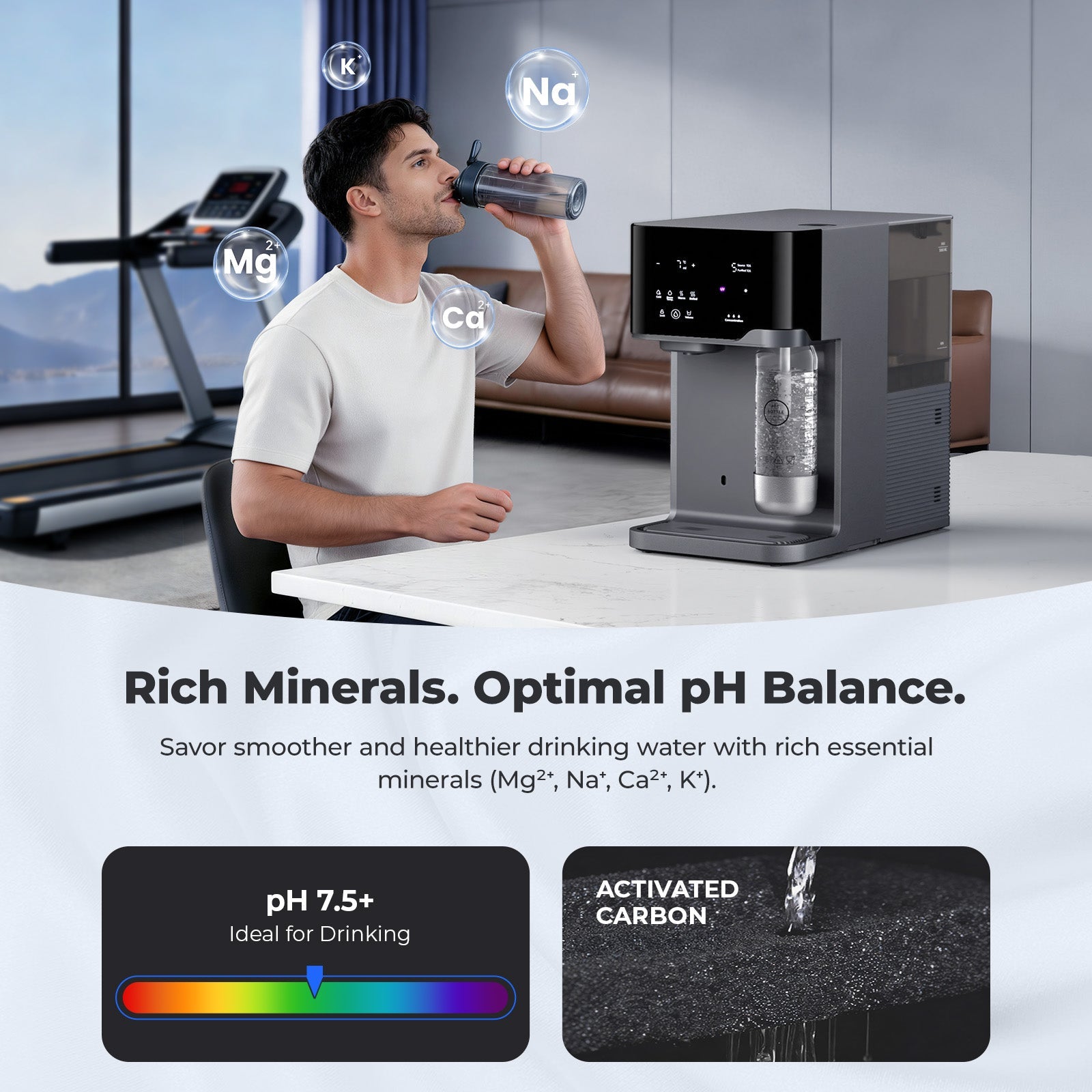
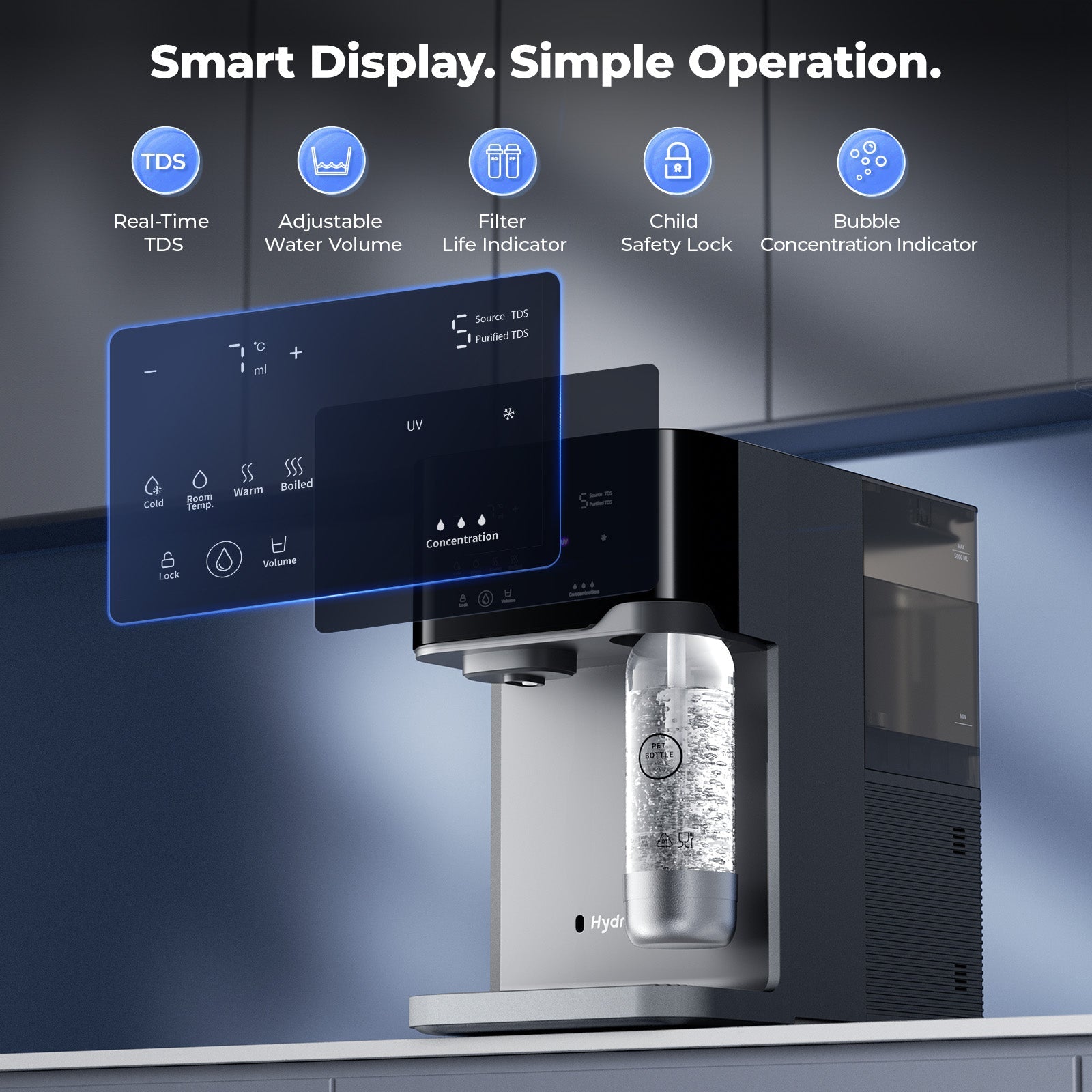
C300 combines RO filtration with chilled, room-temperature and hot water, as well as sparkling water.
Its RO filtration system uses a 0.0001 μm membrane and is designed to reduce TDS by up to 95%. Chilled water can reach approximately 7°C, while the hot-water function provides temperatures from around 40°C to 95°C.
For everyday use, that means one appliance can cover different moments throughout the day. You can dispense chilled water with a meal, use hot water for tea, or prepare sparkling water when you want something more refreshing.
The value is therefore not limited to replacing one type of bottled drink. It comes from bringing several water-related tasks into one place.
Compare Total Cost, Not Just Purchase Price
The purchase price is only the starting point when comparing bottled beverages with a home system.
C300 is listed at €699.99. Its promotional price for this comparison is €599.99.
Its HF04 five-in-one composite filter is listed at €99.99, with a stated capacity of approximately 2,000 litres. Based on that capacity, the filter component costs around €0.05 per litre.
Sparkling water has a separate CO₂ cost. A 0.6 L / approximately 425 g cylinder is designed to produce around 40–60 litres of sparkling water, depending on how the system is used and the carbonation level selected.
Water and electricity should also be included in a realistic comparison.
For the C300 operating-cost model, the estimated annual running cost is approximately €192, including filter replacement, CO₂, tap water and electricity.
When comparing bottled water with C300, the useful calculation is therefore not simply the price of one bottle versus the price of the appliance. Compare the complete annual cost of both routines, including the products and consumables you actually use.
For the German four-person household model above, bottled water costs approximately €788 per year, compared with approximately €192 in annual C300 running costs.
Based on the assumptions in this comparison, the estimated recurring savings are approximately €597 per year.
Using the promotional C300 price of €599.99, the estimated five-year cumulative saving is approximately €2,383. These figures are based on the stated household consumption, bottled-water price and C300 running-cost assumptions. Actual costs will vary by household and usage.
More Control Over What You Drink
There is another benefit to preparing drinks at home: flexibility.
A family can decide how much flavour or sweetness to add to sparkling water instead of buying a ready-made drink with a fixed recipe. Fresh fruit, citrus or a small amount of juice can be added according to taste.
This can make everyday drinks more flexible without requiring several different packaged beverages in the refrigerator.
Is C300 a Good Fit for Your Family?
C300 is most relevant to households that already consume a lot of water and regularly buy bottled or sparkling water.
It can also make sense for families that want chilled and hot water available without relying on several separate appliances.
On the other hand, if your household already drinks mostly tap water and rarely uses sparkling or chilled water, the potential value may be lower.
The best starting point is your actual routine. Look at how many bottles you buy each week, how much you spend, how often you drink sparkling water and whether you would genuinely use the hot and chilled water functions.
That gives you a much more useful answer than a general savings claim.
Calculate Your Family's Beverage Cost
You can work out your annual beverage spending without complicated calculations.
Start by tracking what your household spends on drinks for two to four typical weeks. Include bottled water, sparkling water, soft drinks, juice and other drinks bought for home use.
Then multiply the average weekly amount by 52.
For example:
€22 × 52 weeks = €1,144 per year
Next, separate the spending into drinks that you would still buy and drinks that could realistically be prepared at home.
You can then compare the replaceable portion with the estimated annual cost of using C300, including the appliance, filters, CO₂, water and electricity.
This gives you a household-specific calculation instead of assuming that every family will achieve the same result.
Conclusion
Family beverage costs are rarely driven by one expensive purchase. They build up through small purchases repeated throughout the year.
For many households, the most useful place to look is the everyday drinks consumed at home: drinking water, sparkling water and simple homemade refreshments.
For the German four-person bottled-water comparison used here, approximately 2,628 litres of drinking water per year at €0.30 per litre would cost about €788 annually.
The Hydrofast C300 has a regular price of €699.99 and a promotional price of €599.99 for this comparison. Its estimated annual running cost is approximately €192, including filter replacement, CO₂, tap water and electricity.
Based on these assumptions, the recurring difference is approximately €597 per year, with an estimated €2,383 in cumulative savings over five years, using the promotional purchase price of €599.99.
The Hydrofast C300 brings RO filtration, hot water, chilled water and sparkling water together in one countertop system. It is not designed to replace every drink a family buys, but it can make it easier to prepare more of the everyday drinks at home.
The result is not necessarily about eliminating every packaged beverage. It is about having more control over which drinks you buy and which ones you make yourself.






Laat een reactie achter
Alle reacties worden gemodereerd voordat ze worden gepubliceerd.
Deze site wordt beschermd door hCaptcha en het privacybeleid en de servicevoorwaarden van hCaptcha zijn van toepassing.