


Bottled water can become a regular part of the weekly grocery shop, especially for families that prefer chilled or sparkling water. A few bottles may not seem like much, but they still need to travel from the supermarket to your home, take up space in the fridge or pantry, and eventually leave the house for recycling or a deposit return.
For families looking for a practical bottled water alternative, a countertop water system may be worth considering.
The Bottled Water Cycle: More Than Just Drinking
Buying bottled water creates a repetitive household cycle. You pick up bottles during your weekly shop, carry them home, and find space for them in the kitchen, pantry, or refrigerator. Some bottles go straight into the fridge, while others stay in storage until you need them.
After your family finishes the water, you still need to deal with the empty packaging.
In some regions, you return bottles through a deposit system, such as Germany's Pfand. In others, you sort them for recycling.
Each task takes only a few minutes, but the time and effort add up over the year. Once your supply runs low, you start the same process again.
The Real Household Cost of Bottled Water
The price of bottled water is easy to calculate.
The household routine behind it is easier to overlook.
For families that buy water regularly, the real cost can also include time spent managing supplies, space used for storage and the small but repeated tasks involved in keeping drinks available.
Time: Another Recurring Task on the Weekly List
Buying bottled water rarely takes much time on its own.
The issue is that it becomes another task added to an already busy shopping routine. You need to check how much water is left, add it to the list, find it in the supermarket and load it with the rest of the groceries. In apartment buildings without a lift, getting several multipacks home can mean multiple trips up the stairs.
None of these tasks is particularly difficult.
But when they are repeated every week, bottled water becomes one more household job that needs to be planned and completed.
Space: When Water Competes with Your Kitchen
Bottled water takes up space before it is even opened.
Multipacks may end up in a kitchen cupboard, pantry, hallway or utility area. In smaller apartments, families may have to store bottles wherever space is available.
Cold water creates another challenge.
Putting several bottles in the refrigerator can leave less room for fresh food, meal preparation or other drinks. For households that prefer to keep both still and sparkling water chilled, the available space can disappear quickly.
A home water system changes this arrangement by preparing drinking water when it is needed rather than requiring the household to keep a large supply of bottles on hand.
Household Effort: The Small Jobs That Keep Repeating
The effort involved in bottled water is spread across many small tasks.
Someone notices that the supply is running low. Someone adds water to the shopping list. Someone carries it home and finds room to store it. Later, empty bottles need to be collected, recycled or returned.
Because these jobs are divided across different days, they can be easy to overlook. Together, however, they form a recurring part of household management.
For a busy family, a practical alternative to bottled water is not only about where drinking water comes from. It can also be about removing some of these repeated steps from the everyday routine.
Packaging
Every packaged drink also brings packaging into the home.
Choosing a bottled water alternative does not make a household completely plastic-free. Families will still buy packaged drinks for travel, social occasions and other situations.
The more realistic goal is to reduce plastic bottles where home preparation is practical.
How Much Water Does Your Family Actually Move?
It is easy to underestimate how much water your family buys and carries over a year.
A simple calculation can make the volume more tangible:
Weekly volume = Number of bottles × Bottle volume
For example, a family that buys four 1.5-litre bottles each week purchases:
4 × 1.5 L = 6 L per week
That adds up to:
6 L × 52 = 312 L per year
If the family buys eight 1.5-litre bottles each week, the total becomes:
8 × 1.5 L = 12 L per week
| Family Weekly Purchase | Weekly Volume | Volume Over a Year |
|---|---|---|
| Four 1.5-litre bottles each week | 6 L per week | 312 L per year |
| Eight 1.5-litre bottles each week | 12 L per week | 624 L per year |
That means the household buys and moves 624 litres of water over a year.
The calculation does not include the weight of the bottles or other packaged drinks.
If your family also buys sparkling water, soft drinks, or juice, the total volume can increase further.
Looking at the annual figure can help you understand how much water you regularly buy, carry, store, and manage.
What Should a Practical Bottled-Water Alternative Provide?
A useful home drinking-water solution needs to do more than remove bottles from the shopping list.
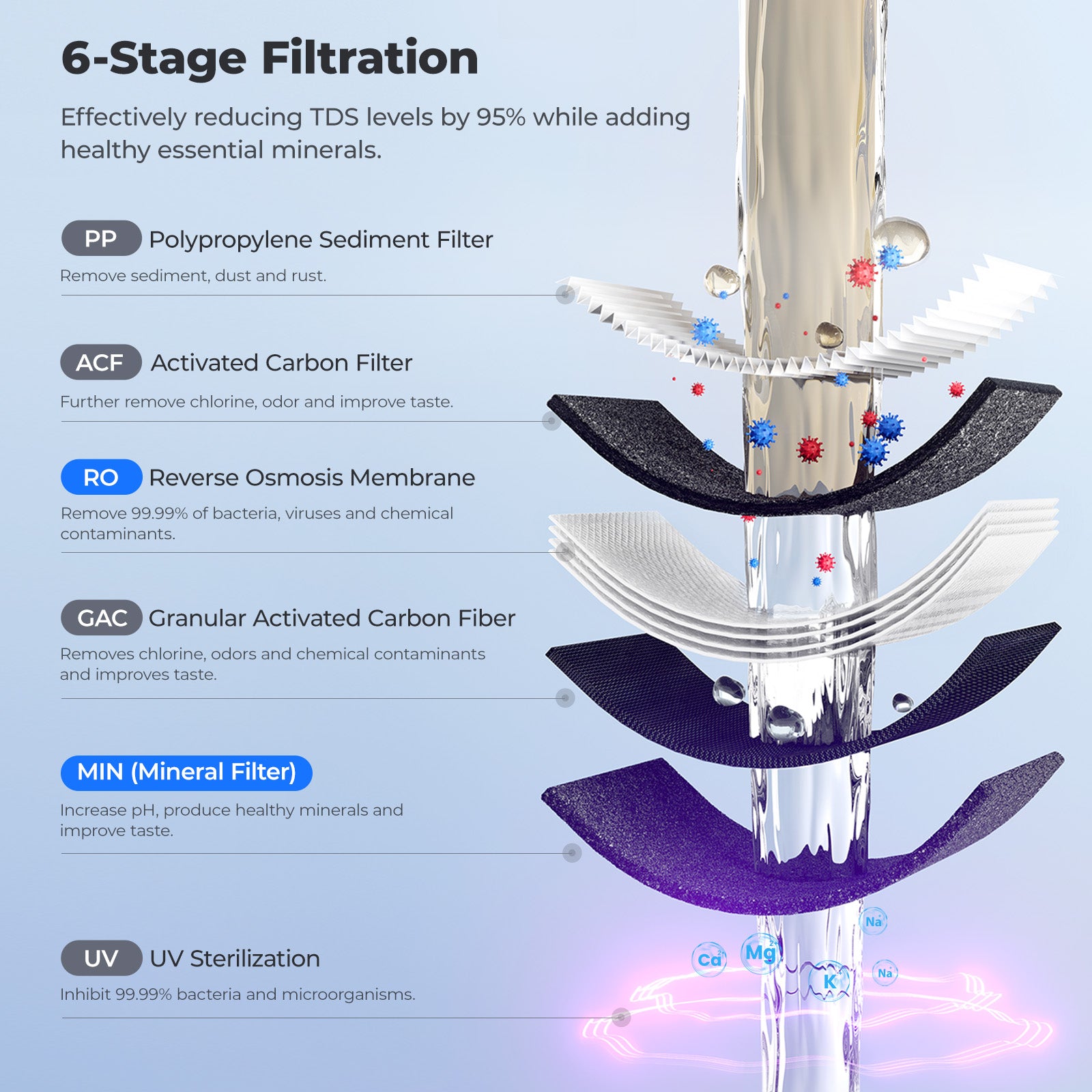
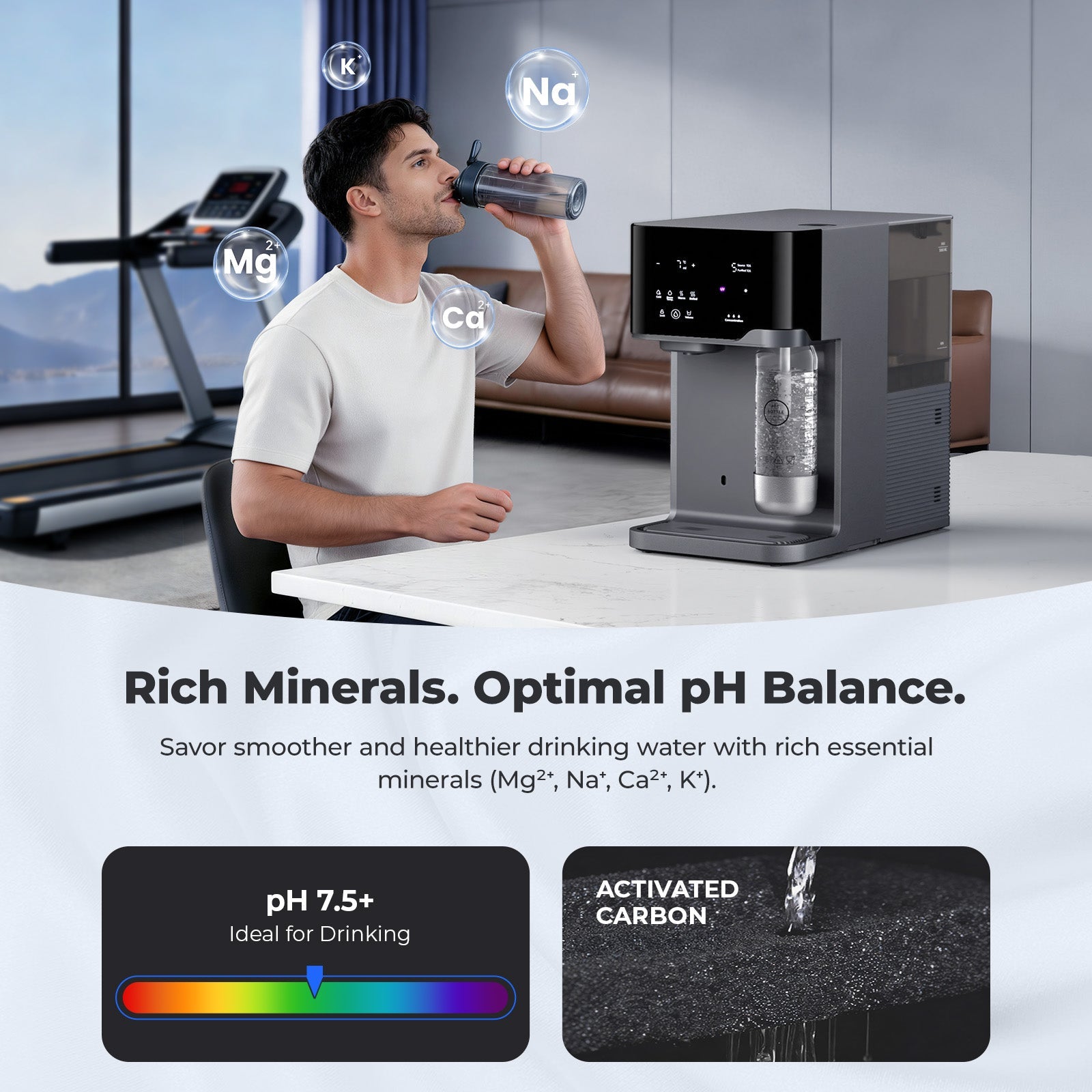
Filtration is one of the main considerations. A countertop RO water filter can provide treated drinking water directly in the kitchen, giving households another option instead of storing large quantities of packaged water.
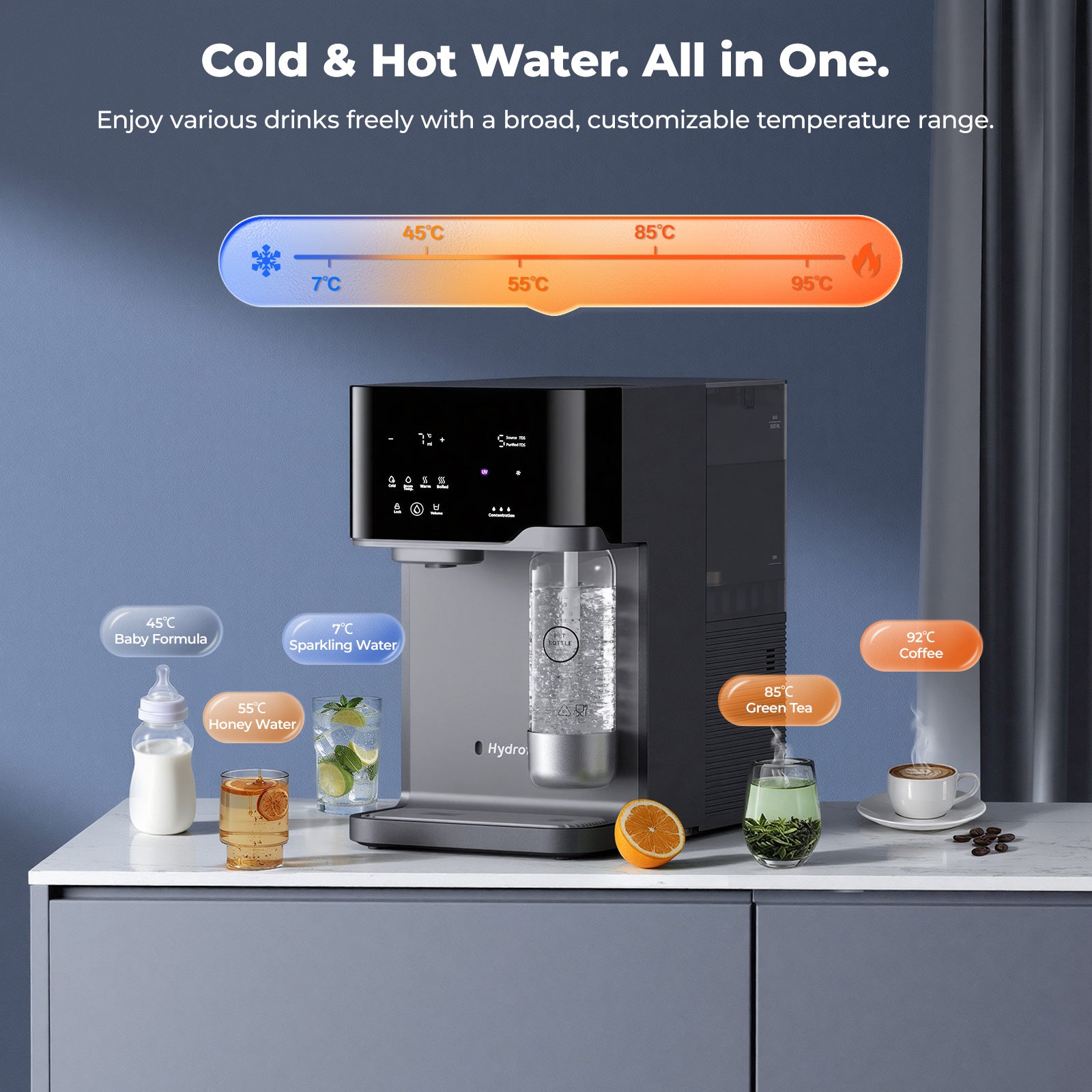
Temperature also matters in everyday use. Families may want chilled water after exercise, room-temperature water with meals, or hot water for tea. Having these options in the same appliance can reduce the need for several separate solutions.
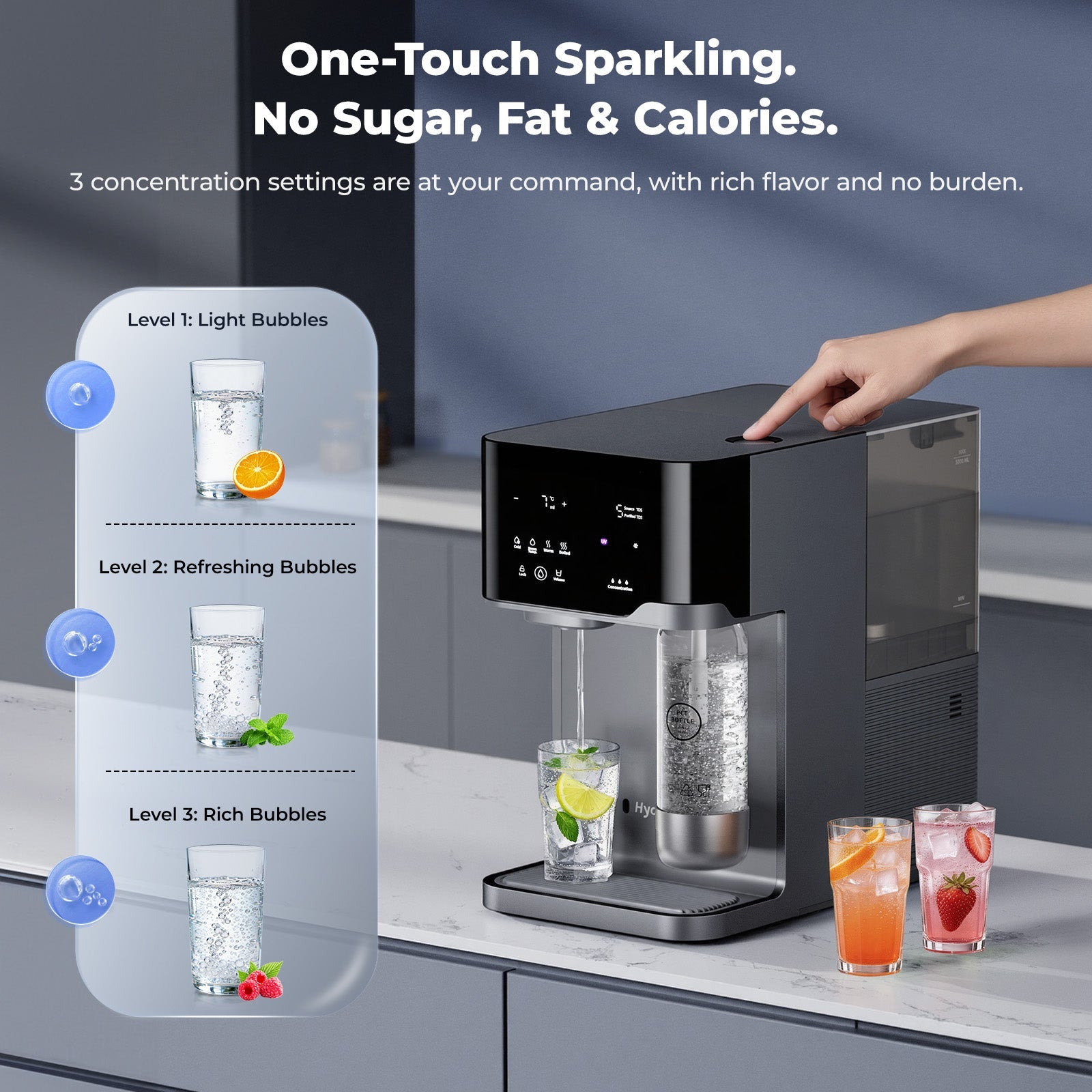
For households that regularly buy sparkling water, carbonation is another important feature. A system that supports home sparkling water allows families to prepare sparkling water when they want it instead of keeping several bottles in the pantry or refrigerator.
The appliance also needs to fit naturally into the kitchen. Easy dispensing, simple operation, and a reasonable countertop footprint all matter if the system is going to become part of the family's daily routine.
How Hydrofast C300 Changes the Routine
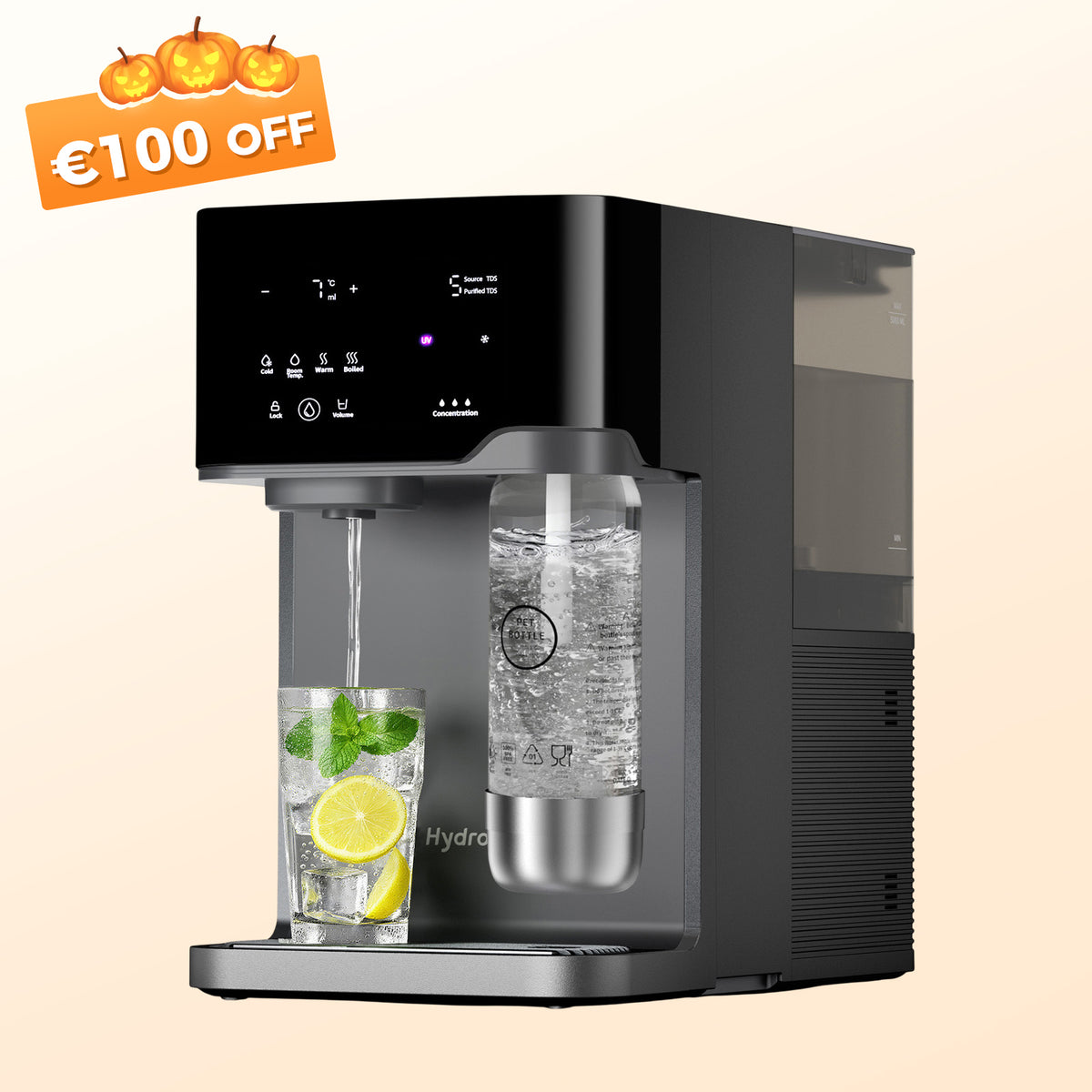
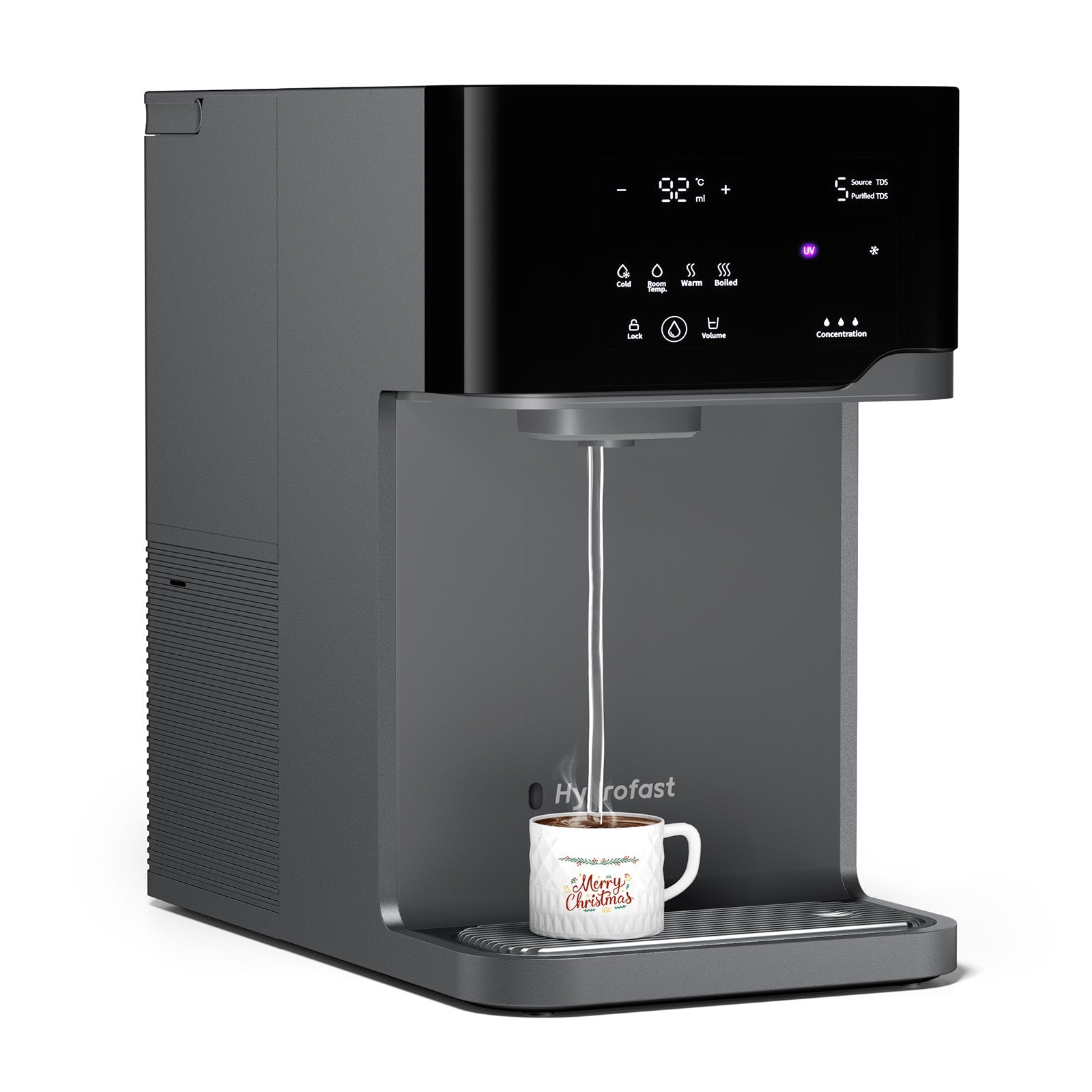
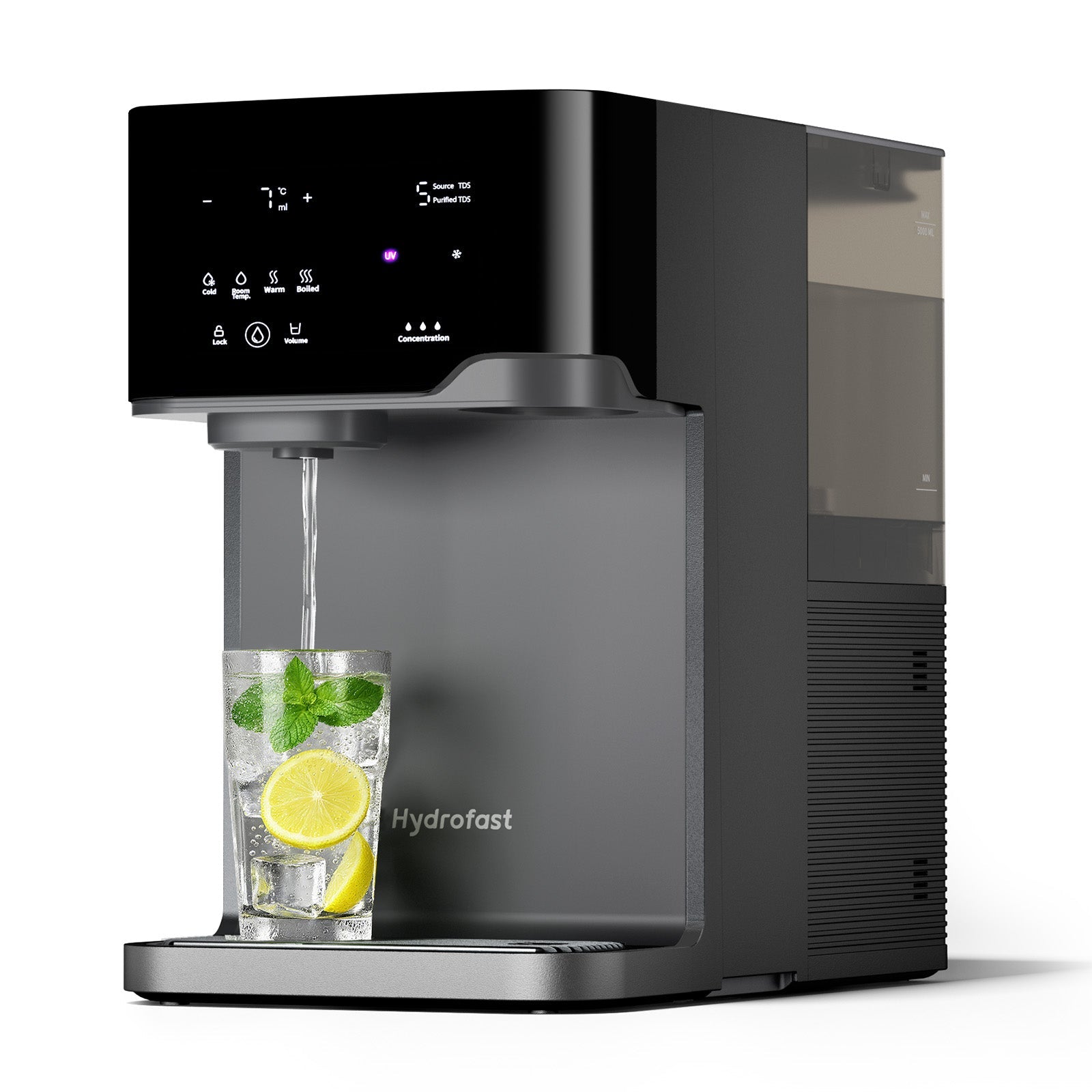
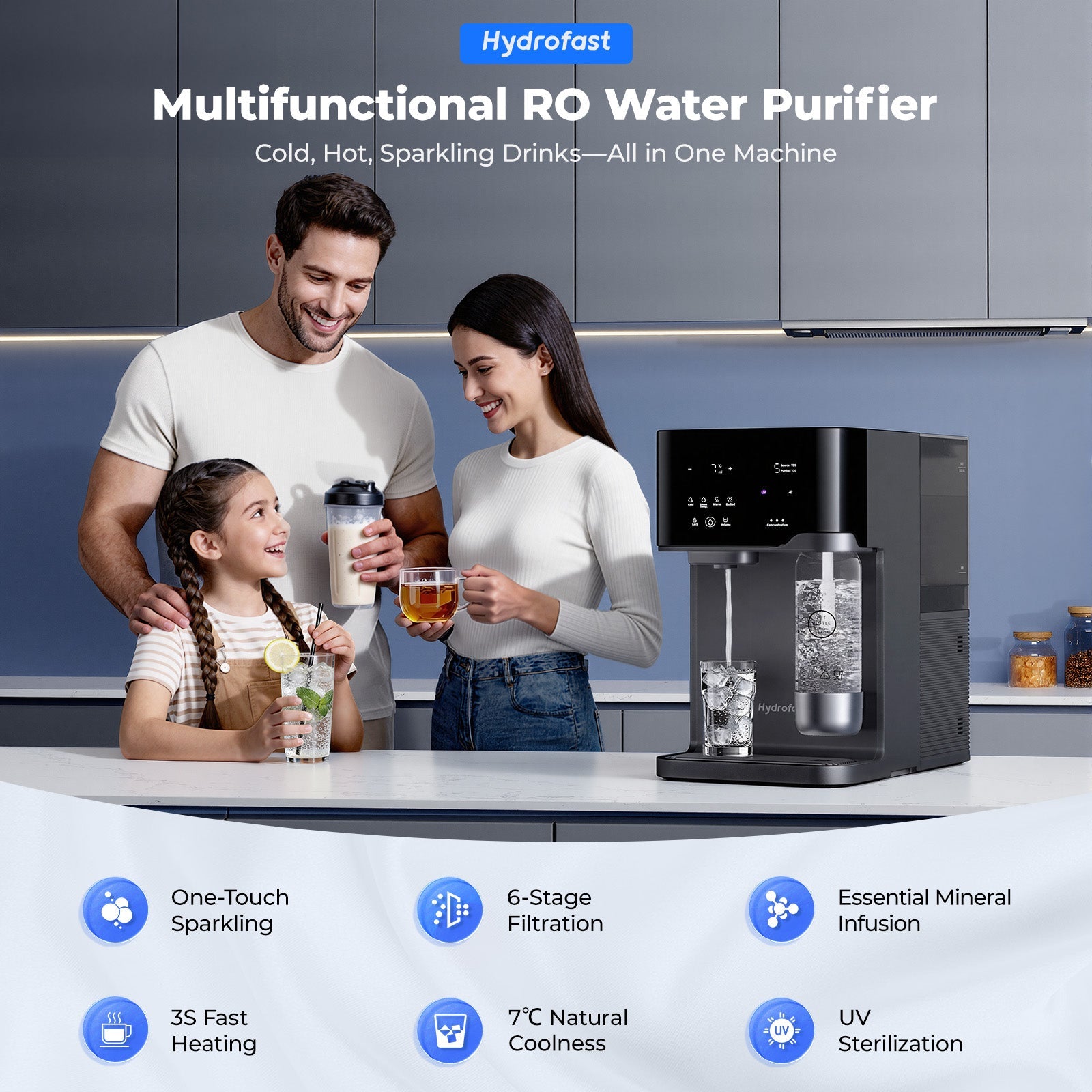
The Hydrofast C300 brings several drinking functions into one countertop system.
From Buying and Carrying to Filling and Dispensing
The traditional bottled-water routine involves regular shopping, carrying, storage, and empty-bottle management.
With C300, water preparation moves into the kitchen. Instead of storing a large supply of packaged water, you fill the system and dispense water when you need it.
Of course, C300 still needs regular filling and maintenance, and you need to replace the filter when necessary. However, these tasks become part of your normal kitchen routine rather than another shopping and storage task.
One Countertop System for Multiple Drinking Needs
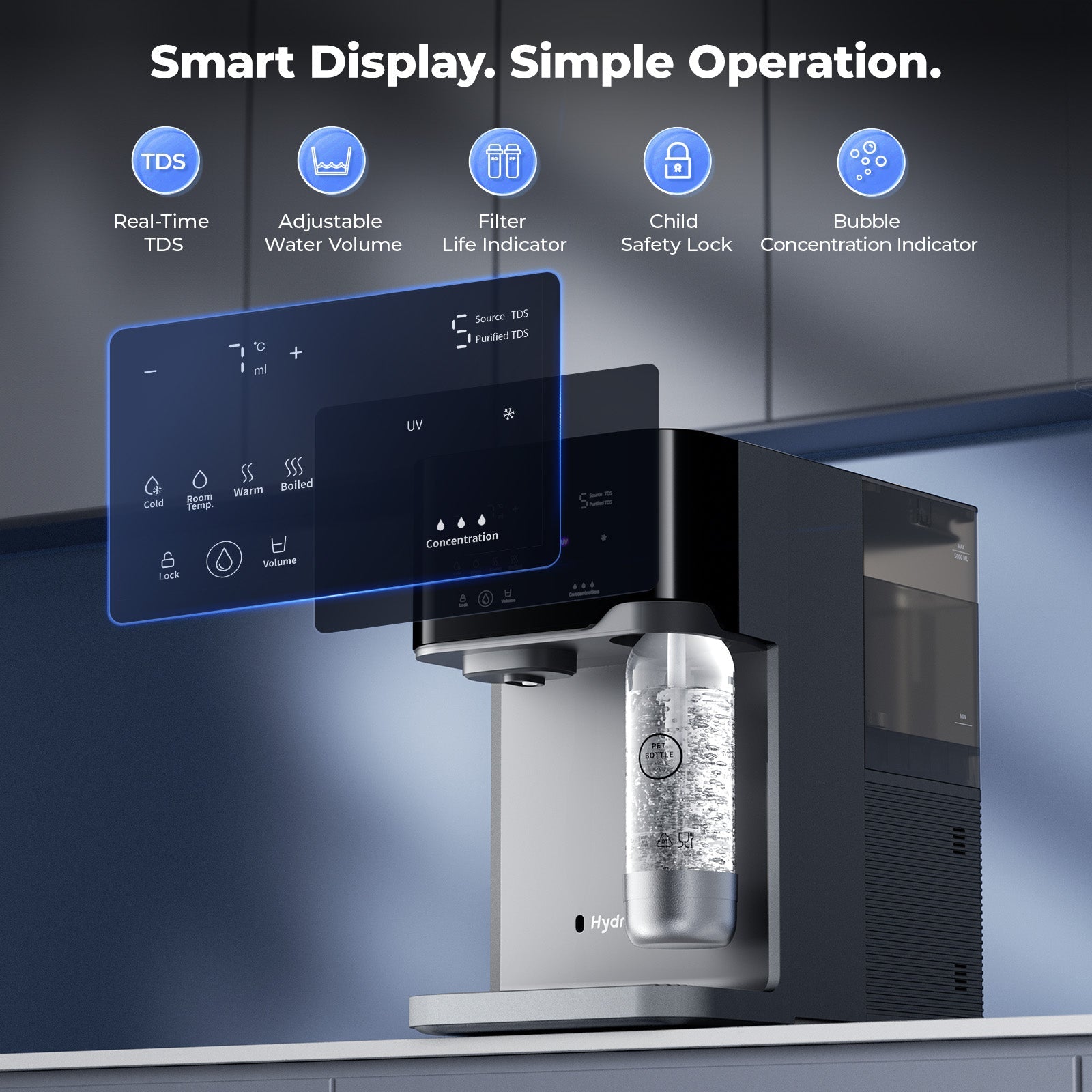
C300 combines RO filtration with room-temperature, chilled, and hot water, as well as sparkling water.
The system can provide chilled water at approximately 7°C and hot water from around 40°C to 95°C. Its sparkling-water function also offers three carbonation levels.
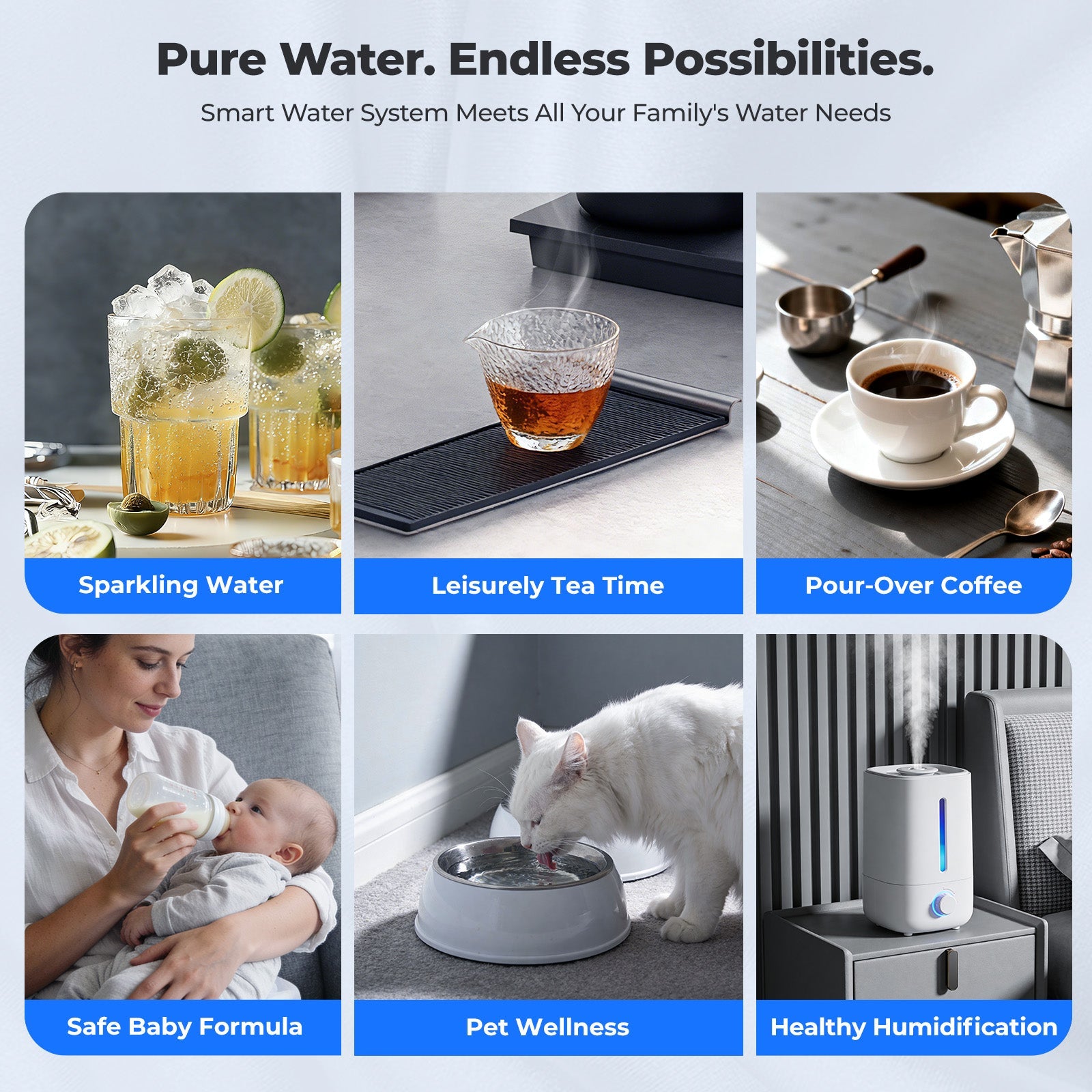
This gives the household several options throughout the day. You can dispense chilled water with lunch, use hot water for tea, or prepare sparkling water in the evening.
Instead of relying on several appliances or keeping different bottled drinks for each occasion, you can handle several everyday water needs from one countertop system.
A Simpler Drinking Routine for Different European Homes
The practical benefits of preparing more drinking water at home can vary depending on local habits and household setups.
Germany: Less Bottled-Water Shopping and Pfand Management
For German households that regularly buy bottled drinks, empty packaging can take up storage space before the next trip to the supermarket or the return point.
Reducing the number of everyday water bottles you buy can therefore simplify part of the routine.
C300 does not remove the need to use the Pfand system for other packaged beverages. It can, however, reduce the number of water bottles that enter the household in the first place.
Italy: Easier Access to Water for Family Meals
For family meals in Italy, having drinking water ready at the kitchen counter can make serving the whole family more convenient.
Instead of keeping several large bottles on hand, families can prepare filtered water when they need it. They can also dispense chilled water or prepare sparkling water for meals and gatherings.
France: Less Bottle Clutter in Urban Homes
For smaller urban kitchens in France, storage space can be valuable.
Regularly buying large bottles of water means finding room for unopened bottles, chilled bottles, and empty packaging. Refrigerator space can also become an issue when the family prefers cold water.
A countertop system changes the way the household stores water. Instead of keeping a large supply of bottles on hand, the family can prepare water as needed.
What About Plastic Bottles?
A countertop water system cannot eliminate household plastic waste completely.
Families will still buy packaged drinks when travelling, eating out, or choosing a particular branded beverage. Those occasions are not always practical to replace with a home appliance.
A more realistic goal is to reduce the number of beverage bottles used for everyday drinking water.
Can C300 Replace Every Bottled Drink?
No, and it does not need to.
C300 is most suitable for everyday drinking water, chilled and hot water, sparkling water, and simple homemade drinks.
A family may still want packaged juice, a favourite soft drink, or a specialty beverage. Drinks purchased at cafés, restaurants, or while travelling will also remain part of everyday life for many households.
C300 works best as an alternative for the drinks your family consumes regularly at home.
Is C300 Right for Your Family?
Start by looking at your current drinking-water routine.
If your family buys bottled water several times a week and regularly drinks sparkling water, C300 may be worth considering. It is also important to have enough countertop space for the appliance.
Storage is another consideration. If multipacks regularly take up space in your pantry or refrigerator, preparing water when you need it may be particularly useful.
The same applies to households that already use several appliances for hot water, chilled water, or sparkling water. Combining these functions into one system can simplify the kitchen setup.
If your household rarely buys bottled water and mainly drinks tap water, the convenience benefit may be less significant.
Conclusion
The inconvenience of bottled water comes from the entire routine around it: buying, carrying, storing, chilling, drinking, and managing the empty packaging.
For families that repeat this process every week, moving more drinking-water preparation into the home can make everyday life simpler.
The Hydrofast C300 combines RO filtration, chilled water, hot water, and sparkling water in one countertop appliance. It does not need to replace every packaged beverage to be useful.
Instead, it offers a practical alternative to bottled water for the drinks your family consumes most often at home.
By preparing more everyday drinking water in the kitchen, families can reduce some of the shopping, storage, and bottle management that comes with regular bottled-water purchases.






Leave a comment
All comments are moderated before being published.
This site is protected by hCaptcha and the hCaptcha Privacy Policy and Terms of Service apply.